
Sepsis can be a scary word, especially when it involves children. But understanding what pediatric sepsis is, recognizing its signs, and knowing how to react can make all the difference. Here’s a straightforward guide to help you navigate this important topic.
Sepsis is a serious medical condition that occurs when the body’s response to an infection spirals out of control. The body’s immune system, usually the hero in fighting off germs, overreacts and the chemicals released into the bloodstream to combat the infection begin to damage the body’s own tissues and organs.
In children, sepsis can develop from something as common as a stomach bug or a urinary tract infection. It’s a particularly tricky disease because it can start with seemingly mild symptoms and escalate quickly to become life-threatening.
The key to dealing with pediatric sepsis is early recognition and treatment. Here are some signs and symptoms that might indicate your child could be developing sepsis:
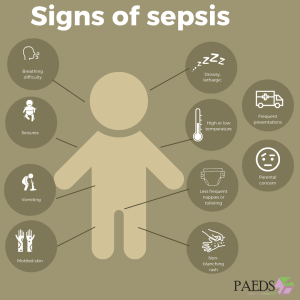
These symptoms can be caused by other conditions as well, but if they arise in the context of an infection and seem more intense than usual, it’s better to err on the side of caution.
If sepsis is suspected, doctors usually begin treatment with antibiotics and may administer fluids and medications to stabilize heart rate and blood pressure. Hospitalization might be necessary to monitor the child’s condition closely and to manage the response to these interventions.
Remember, as a parent, you’re not expected to be a medical expert, but being informed helps you advocate for your child effectively. Trust your instincts—if something seems off with your child, it’s always better to check it out. Keeping the lines of communication open with your healthcare provider ensures that your child gets the best care possible.
Hopefully, you’ll never need to deal with pediatric sepsis, but if you do, being prepared can make you feel more confident in handling the situation.
For more information, check out the following sites:
Paediatric sepsis. Queensland health
Turn what you just read into hands-on skills at a nurse-led first aid course — in person or online.
Find your course