
Type 1 Diabetes is an autoimmune condition where the body’s immune system mistakenly attacks and destroys the insulin-producing cells in the pancreas. Insulin is a hormone that helps regulate blood sugar levels, and without it, blood sugar can rise to dangerous levels. Unlike Type 2 Diabetes, which is often associated with lifestyle factors, Type 1 Diabetes is not preventable and is not caused by diet or lifestyle. There is no cure and it is lifelong.
In Type 1 Diabetes, the pancreas, which is a large gland located behind the stomach, stops producing insulin because the immune system mistakenly attacks the beta cells that produce it. Without insulin, glucose (a type of sugar) can’t enter your child’s cells, where it would normally be used for energy.
Children with Type 1 Diabetes need to take insulin every day to replace what their body can no longer make. It’s essential for them to regularly check their blood sugar levels throughout the day to keep them within a healthy range. This can be done using either a blood glucose meter or a continuous glucose monitor.
While Type 1 Diabetes is most commonly diagnosed in kids and young adults under 30, it can develop at any age. Approximately 10 percent of all diabetes cases are Type 1.
Early detection is key in managing Type 1 Diabetes. Common symptoms include:

Other symptoms not as typical in children include:
If you notice these symptoms, it’s important to consult a healthcare professional immediately.
Untreated type 1 diabetes results in diabetic ketoacidosis (DKA), a medical emergency.
A Type 1 Diabetes diagnosis is life-changing, but with the right approach, your child can lead a healthy, active life. Here’s what you can expect:
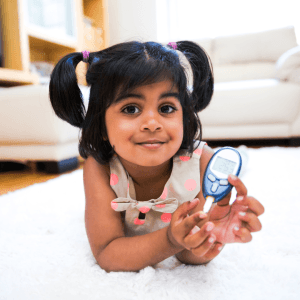 Carbohydrate counting helps in managing insulin doses, and it’s important to encourage a balanced diet rich in vegetables, whole grains, and lean proteins.
Beyond the physical aspects, a Type 1 Diabetes diagnosis can be emotionally challenging for your child. They might feel different from their peers or overwhelmed by the responsibility of managing their condition. Here are some ways you can support them:
 hem that it’s okay to feel upset or frustrated.
Living with Type 1 Diabetes requires adjustments but we know that you and your child can thrive. You’re not alone in this journey—healthcare professionals, diabetes educators, support groups and us at PAEDS are all here to help. With time, managing Type 1 Diabetes will become second nature, and your child will be given every opportunity to reach their fullest potential, just like any other child. For further information you can check out Diabetes Australia here.
You can also check out some more resources for support below:
Turn what you just read into hands-on skills at a nurse-led first aid course — in person or online.
Find your course