Anaphylaxis is a life-threatening emergency that requires immediate recognition and rapid treatment with adrenaline. In Victorian schools, expectations are not just best practice, they are mandated under Department of Education policy.
This is what every school needs to know.
1. Mandatory Training Requirements for All School Staff
Minimum requirements:
- Complete ASCIA Anaphylaxis e-training for Victorian Schools every 2 years
- Have their competency in using adrenaline devices verified within 30 days by a trained supervisor
- Be familiar with multiple device types, including NEFFY, JEXT and EpiPen
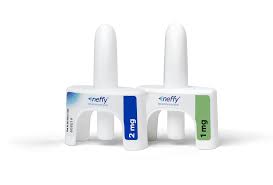
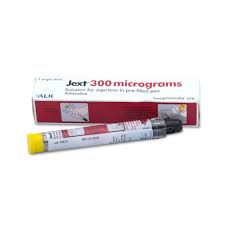
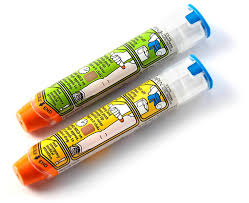
This is not optional. Staff must be able to recognise anaphylaxis and administer adrenaline immediately.
2. Additional Requirements for School Anaphylaxis Supervisors
Each school campus must have at least 2 trained anaphylaxis supervisors.
Supervisors must:
- Complete ASCIA e-training (every 2 years), 22579VIC Verifying Correct Use of Adrenaline Devices (every 3 years), and 22578VIC First Aid Management of Anaphylaxis (every 3 years)
- Assess and sign off staff competency
- Maintain training records
- Provide advice and lead staff briefings
New 2026 requirement:
- Supervisors must complete additional training on Jext and Neffy devices where relevant
- Contact PAEDS to discuss non-accredited training briefings for your staff
3. Responsibilities of School Leaders (Principals)
The principal holds ultimate accountability for anaphylaxis management.
They must ensure:
Training and compliance
- All staff are appropriately trained and competency-checked
- Two supervisors are appointed and current
- Twice-yearly anaphylaxis briefings occur
Systems and planning
- Individual Anaphylaxis Management Plans are in place and reviewed
- Risk minimisation strategies are implemented across classrooms, yard duty, excursions and camps
Equipment and resourcing
- Purchase and maintain general-use adrenaline autoinjectors
- Ensure devices are available, in date, and accessible
4. Adrenaline Devices in Schools: What Must Be Available
Victorian schools must have both student-supplied and school-supplied devices.
Student devices
- Provided by parents/carers
- Stored with the student's ASCIA Action Plan
- Must be checked regularly for expiry
General-use devices (school responsibility)
- Must be purchased by the school (no prescription required)
- Used when a student has a first-time reaction or a student's own device is unavailable or fails
Minimum number requirement
- Schools must have at least 2 general-use adrenaline autoinjectors, even if no diagnosed students are enrolled
Additional considerations
The number of devices should reflect:
- Number of at-risk students
- School size and layout
- Access during yard duty, camps, and excursions
5. Storage Requirements (Critical for Response Time)
Adrenaline devices must be stored so they are immediately accessible in an emergency.
Key rules:
- Stored in an unlocked, easily accessible location
- Kept at room temperature (15–25°C), away from heat and light
- Never stored in a fridge or locked cupboard
- Clearly labelled, stored with the student's ASCIA Action Plan, and distinguishable from general-use devices
Best practice locations:
- Classrooms
- First aid room
- Yard duty bags
- Excursion kits
Schools must also ensure a second device can be accessed quickly during an emergency.
6. What About Neffy (Nasal Spray)?
From 2026, schools must also prepare for Neffy, a needle-free adrenaline nasal spray.
Important points:
- Can only be used if provided by the student/family with an ASCIA Action Plan
- Cannot be purchased by schools as a general-use device
- Staff must be trained in its use where relevant
This expands options, particularly for children who fear needles, but does not replace autoinjectors in schools.
Final Takeaway
Anaphylaxis readiness in schools comes down to three non-negotiables:
- Every staff member is trained and competent
- Leadership ensures systems, devices, and compliance are in place
- Adrenaline is always accessible, visible, and ready to use
Because when anaphylaxis happens, there is no time to think.
Only time to act.
Additional resources:
Anaphylaxis briefing template
Anaphylaxis management briefing presentation
School checklists
School training guidelines